

Why watch complications still matter
By Anandhi Gopinath
In an age when your phone tells you the time down to the millisecond, it might seem strange that people still obsess over mechanical watches — especially those with functions so intricate they border on the unnecessary. But that’s exactly what makes complications so irresistible. They are reminders that precision can be poetic, and that timekeeping can be as much about emotion as engineering.
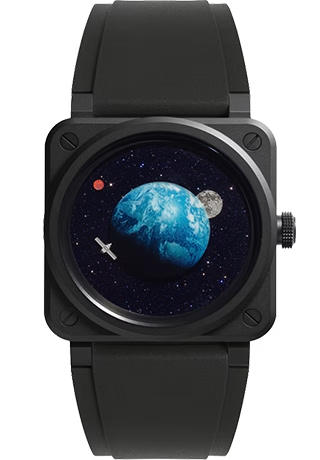
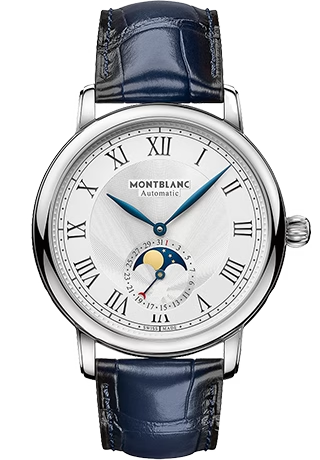
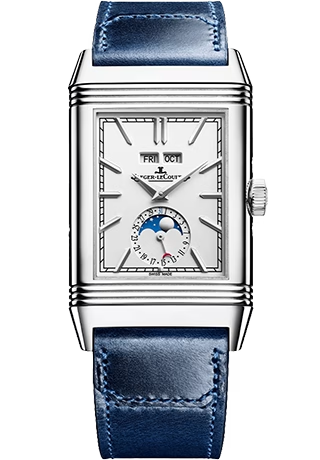
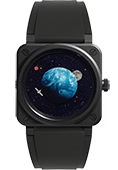
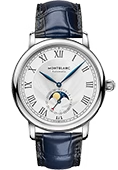
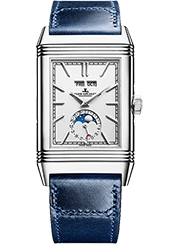
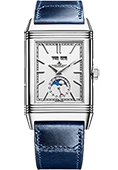
In watchmaking, a “complication” is anything beyond telling the hours, minutes and seconds. A moonphase that mirrors the sky, a calendar that knows when February ends, a chronograph that records the fleeting — none of these are essential. Yet they exist because humans enjoy the drama of making something extraordinary out of the ordinary.
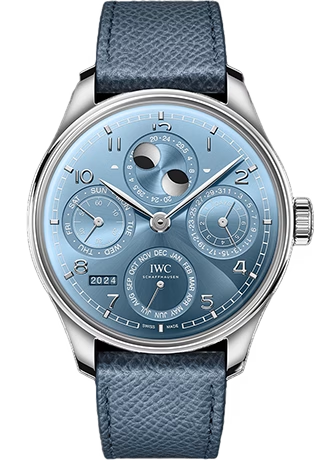
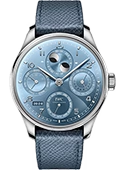
Each complication tells a story of curiosity. The perpetual calendar, for instance, solves the puzzle of leap years through wheels and levers rather than code. The chronograph captures moments that matter — the finish line of a race, the perfect espresso shot. The minute repeater turns time into music, chiming its melody on demand. These aren’t just functions; they’re philosophies. Each complication embodies a human impulse: to measure, to improve, to understand.
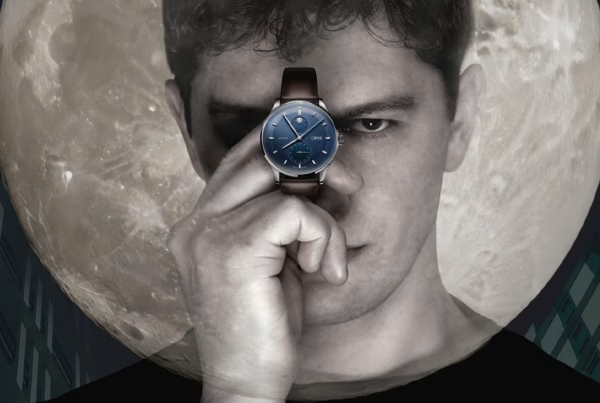
Collectors often talk about complications as if they were personalities. The chronograph is athletic. The perpetual calendar is patient. The moonphase is romantic. To own one is to identify with that spirit, or to find a part of yourself in the mechanics.
For seasoned collectors, complications also bring structure and purpose. One might chase only travel watches, another might specialise in chronometry and precision, while some seek watches that sound as good as they look. The result is not just a collection, but a narrative — a reflection of who they are and what they value.
That’s what makes complications timeless. They’re not just technical achievements; they’re emotional investments. After all, technology has made precision cheap and accessibility effortless, hence complications survive because they serve a different need. They speak to craftsmanship, heritage and the satisfaction of mastering complexity.
A chronograph can’t compete with a smartphone for accuracy, but it will outlast it by decades and it will do so beautifully. A perpetual calendar doesn’t exist because we need it to. It exists because it represents the pinnacle of human ingenuity: the ability to make something both intelligent and enduring without a single line of code. Owning such a watch isn’t about practicality. It’s about participating in a centuries-old dialogue between maker and wearer, this quiet act of appreciation for something that works perfectly without needing to.
Today, complications are no longer reserved for connoisseurs. Brands have made them more accessible, with everything from entry-level chronographs to approachable annual calendars and travel watches. For newcomers, they’re an ideal entry point into the craft of watchmaking — tangible proof of what makes mechanical timepieces so endlessly fascinating.
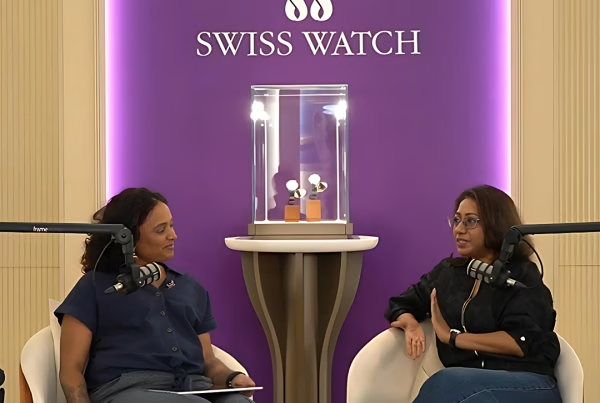
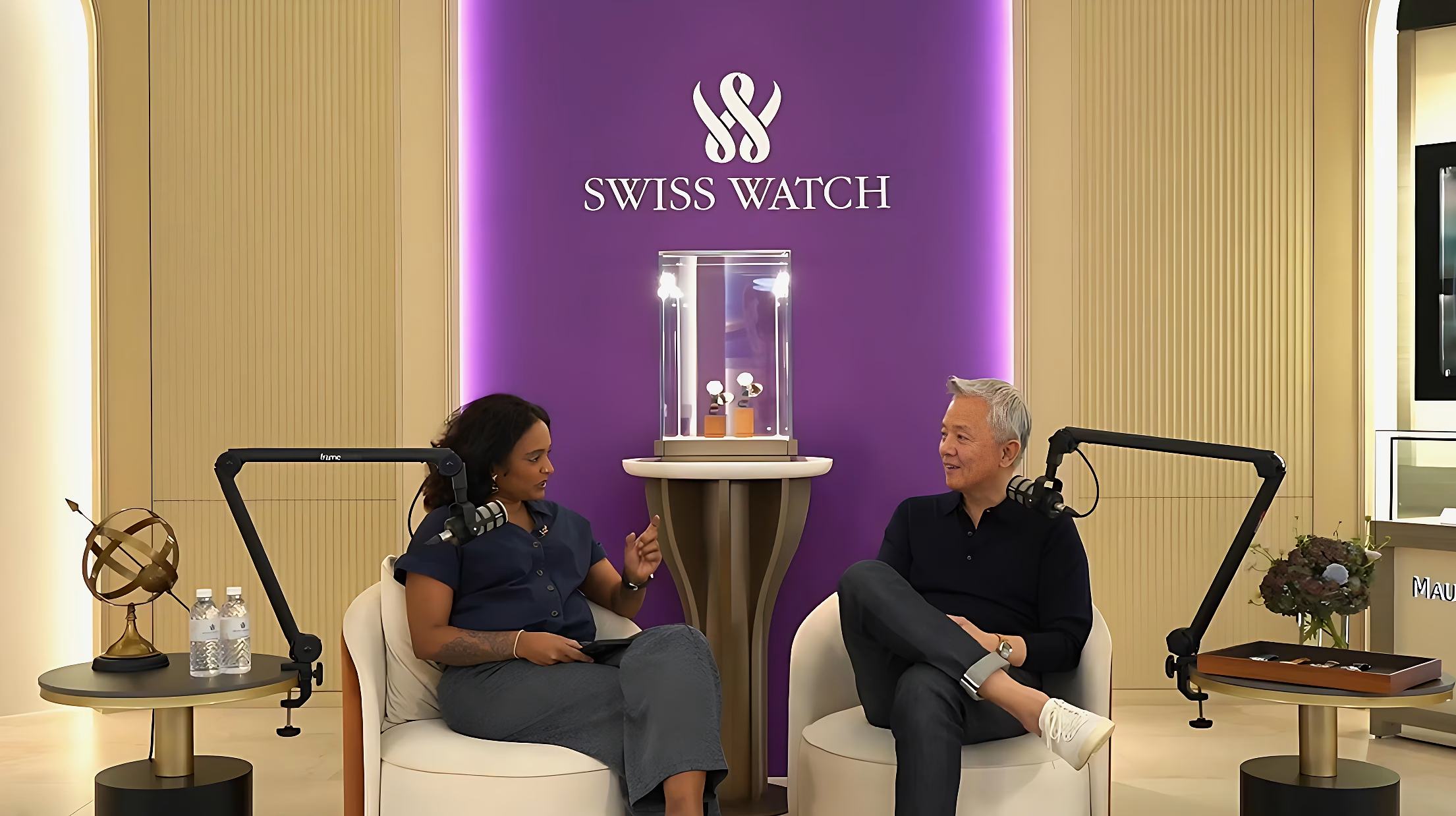
As veteran collector WK Chin notes in his podcast conversation, complications are best appreciated when chosen with intent. And while conventional wisdom (and many a collector) will tell you to choose complications that fit your lifestyle, but the most memorable ones are often chosen for the opposite reason. Sometimes the magic lies in picking the watch that makes no sense on paper — the chronograph you’ll never use, the moonphase you can’t stop admiring, the calendar you don’t really need. Because collecting, at its best, isn’t about practicality. It’s about the pleasure of falling for something beautifully unnecessary.
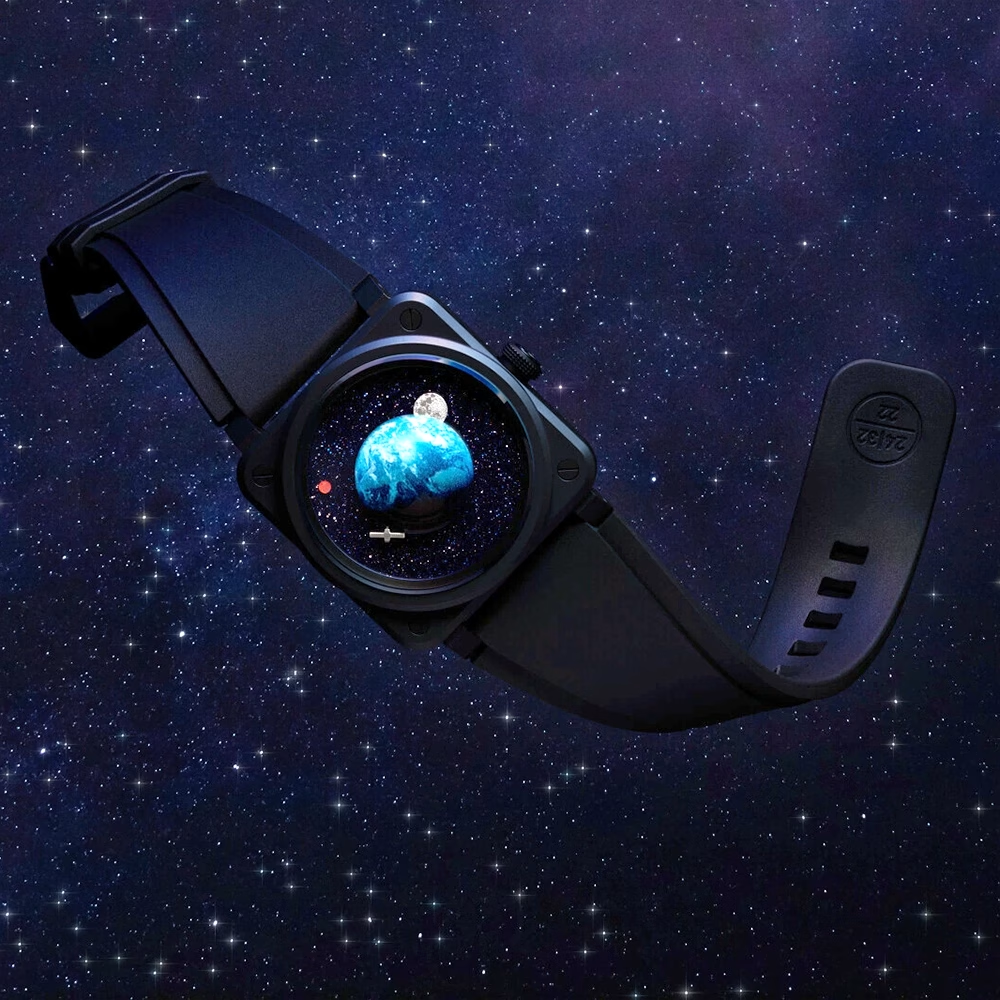
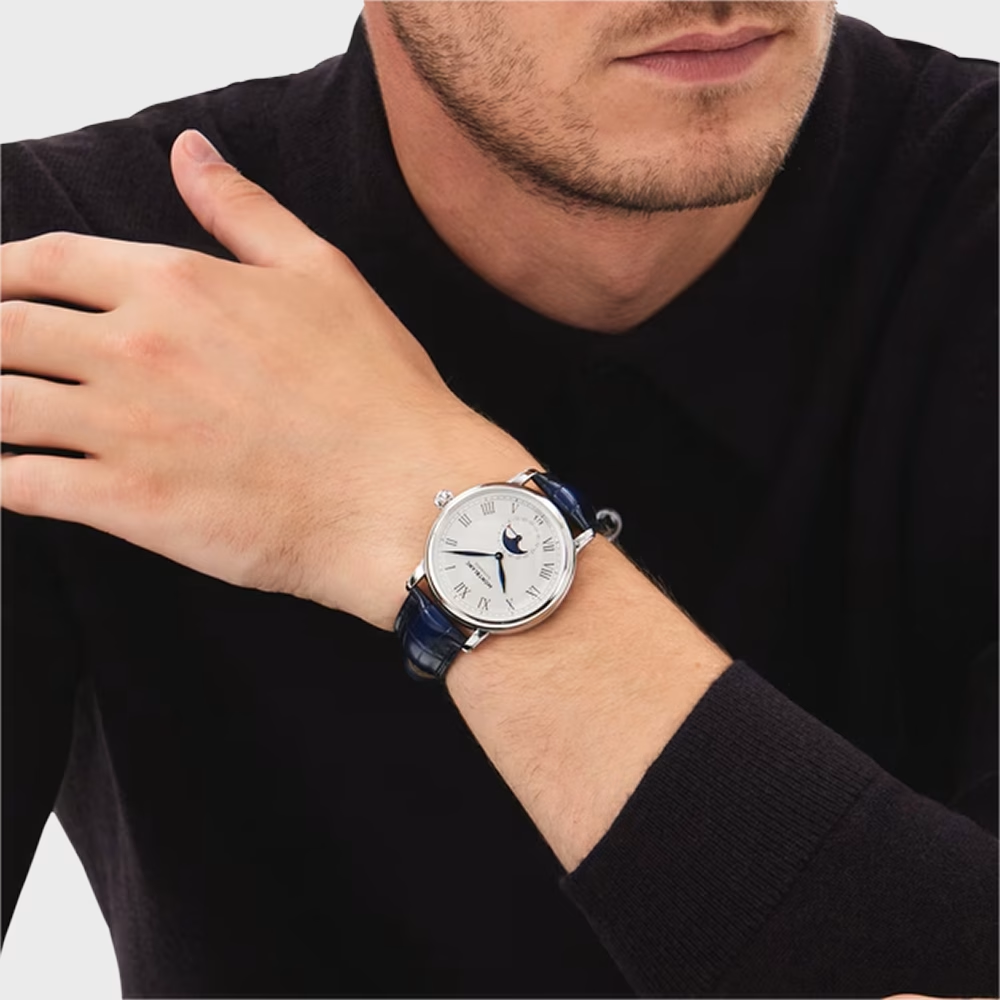
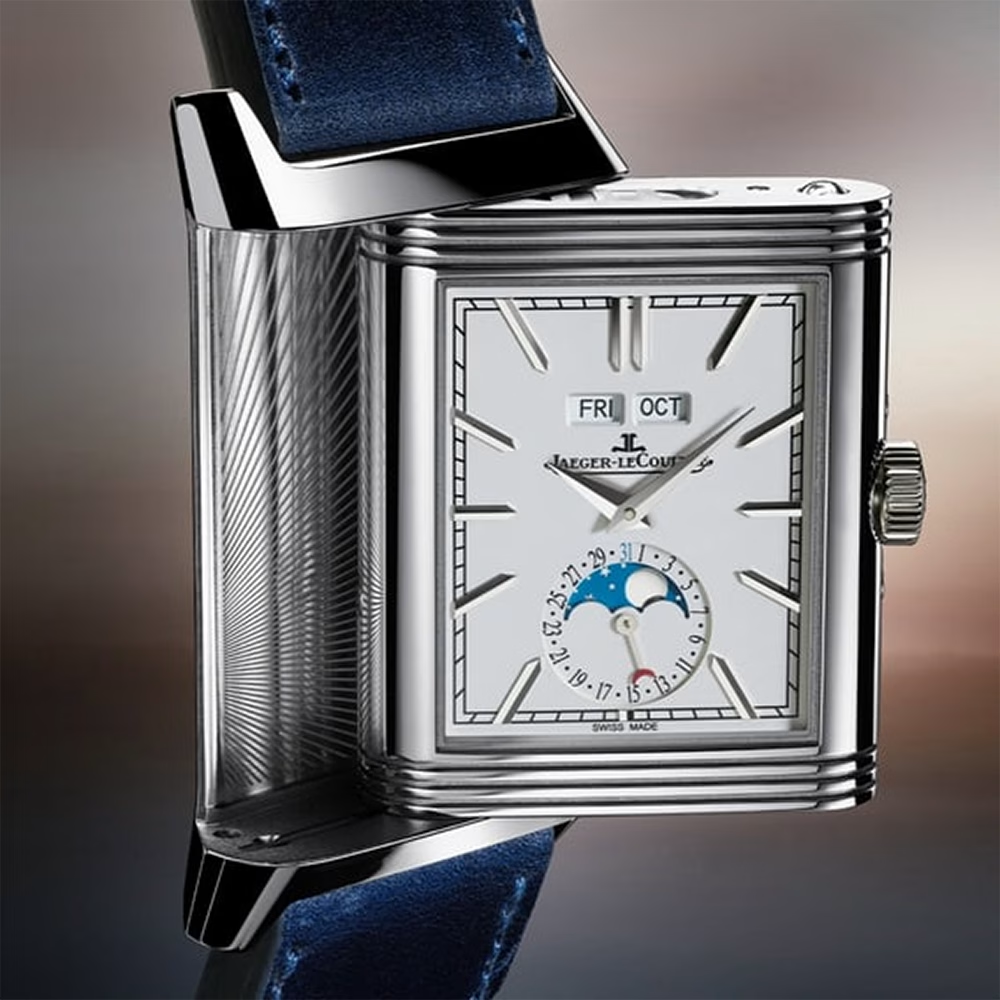
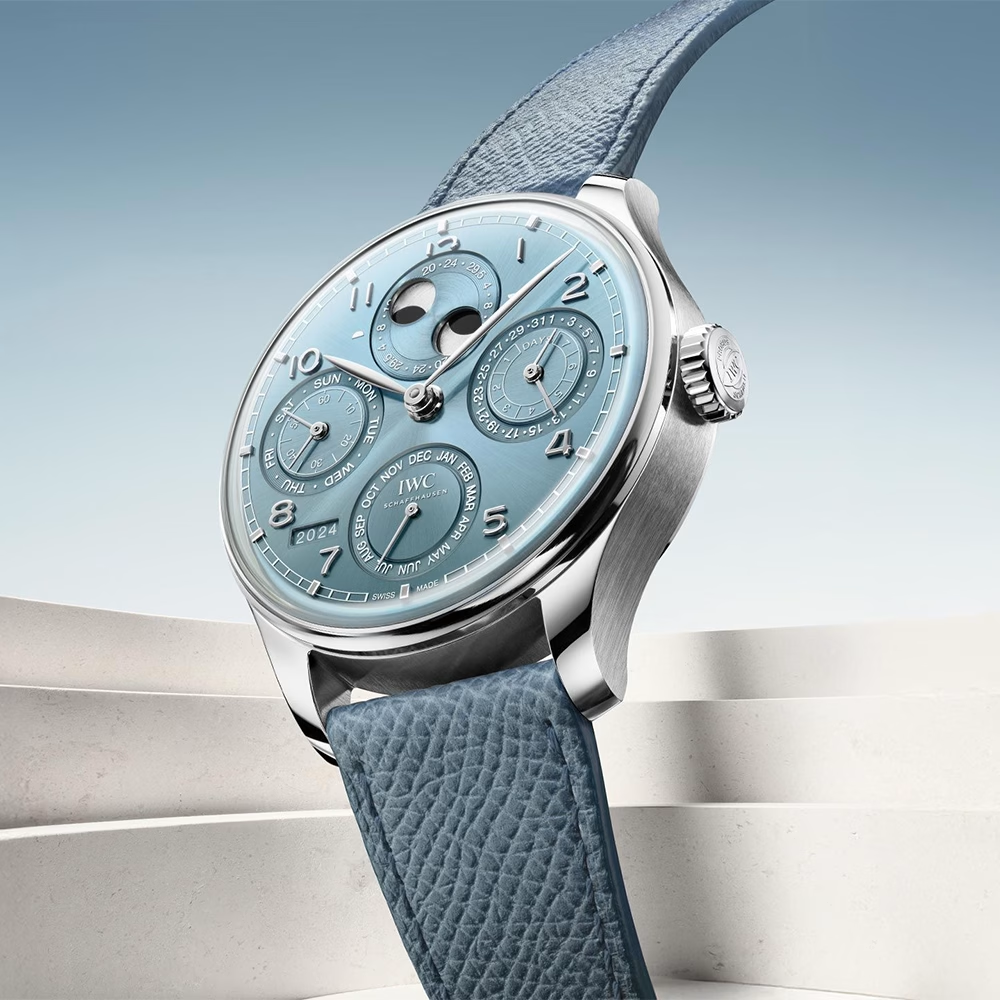
To love complications is to love complexity — and, perhaps, contradiction. These watches exist because they don’t have to. They are a reminder that beauty sometimes lies in excess, in detail, in the willingness to care about something that serves no purpose other than joy. And that’s why complications still matter. In a world that prizes efficiency above all else, they reward patience, imagination and curiosity. They measure not just the passage of time, but the persistence of human wonder.
To love complications is to love complexity — and, perhaps, contradiction. These watches exist because they don’t have to. They are a reminder that beauty sometimes lies in excess, in detail, in the willingness to care about something that serves no purpose other than joy. And that’s why complications still matter. In a world that prizes efficiency above all else, they reward patience, imagination and curiosity. They measure not just the passage of time, but the persistence of human wonder.